Introduction: Your Guide to Professional Desktop Publishing with Scribus
The Scope: This article is a guide to Scribus, the free and open-source desktop publishing (DTP) software.
The Problem: Finding a professional DTP tool without high costs can be tough. Many free tools don’t have the features needed for print-ready documents.
Why Trust Us: We have years of experience with graphic design software. Our expert analysis helps you choose the best tools.
Search Intent Alignment: We cover what you need to know: Scribus‘s core features, installation steps, and best use cases. This way, you can decide if it’s right for your project.
What is Scribus? The Open-Source Alternative to InDesign
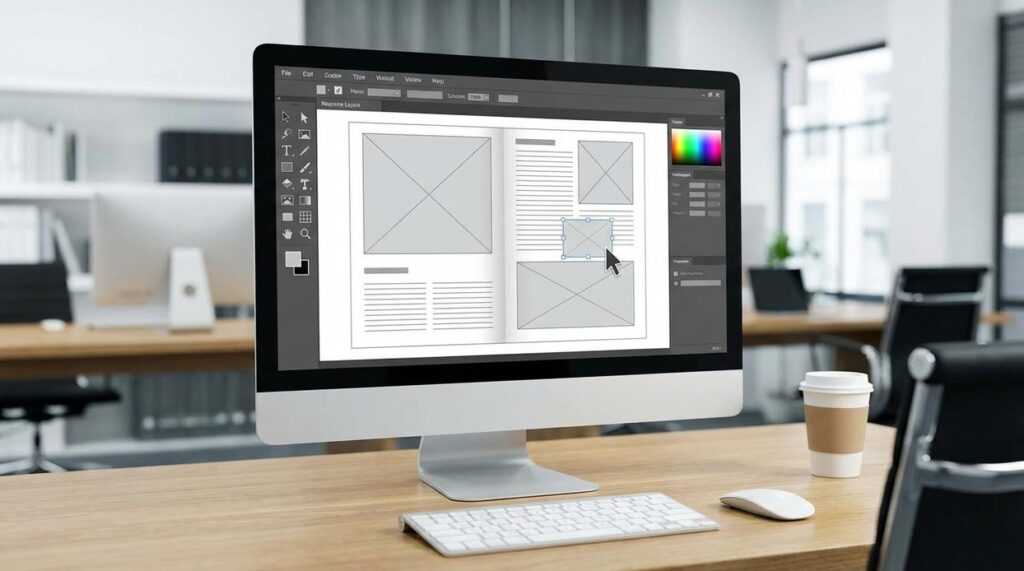
Scribus is a cross-platform DTP (Desktop Publishing) application. It’s all about professional page layout for print and PDF. If you need to create high-quality documents, Scribus has got you covered.
Who is it for? Freelancers, small businesses, students, and non-profits. These groups often need professional layout capabilities but don’t have the budget for premium software like InDesign.
Scribus stands out with its commitment to open standards. It supports CMYK color, spot colors, and ICC color management. This makes it perfect for professional printing.
One unique advantage of Scribus is its Shotscribus Software. This feature offers advanced pre-press tools that many other free and even some paid options lack. It helps you fine-tune your documents before they go to print, ensuring the best possible quality.
So, if you’re looking for a powerful, cost-effective DTP solution, give Scribus a try.
Key Features: What Can You Actually Do with Scribus?
Scribus is like the Swiss Army knife of publishing, but without the clichés. Let’s dive into what you can actually do with it.
Professional Page Layout: Think of master pages as your go-to templates. They help you create consistent designs across multiple pages. Frames, layers, grids, and guides are your layout buddies. They make sure everything lines up perfectly, just like in The Great Gatsby where every detail is meticulously placed.
Advanced Typography: Scribus gives you fine control over text. You can adjust kerning and tracking to make your text look professional. Text-on-a-path lets you get creative, like those cool movie posters. And linking text frames? It’s a lifesaver when you need to flow text from one column to another.
Vector Graphics Tools: No need to switch to another app for simple vector tasks. Scribus has built-in tools for drawing shapes, lines, and Bézier curves. It’s like having a mini-Adobe Illustrator right there, perfect for quick edits and designs.
Print-Ready Output: This is where Scribus really shines. It can generate high-quality, commercial-grade PDF/X-3 files. That means you get CMYK and spot colors, and all your fonts embedded. It’s like having a professional print shop at your fingertips, ensuring your documents look sharp and professional.
Broad File Support: Import formats like SVG, EPS, PSD, and AI are no problem. And of course, there’s the native .sla file format. It’s like being able to speak multiple languages, making it easy to work with different types of files.
If you’re ready to take your design skills to the next level, check out shotscribus software. It’s got all the features you need to create stunning, professional documents.
How to Install Scribus: A Step-by-Step Guide
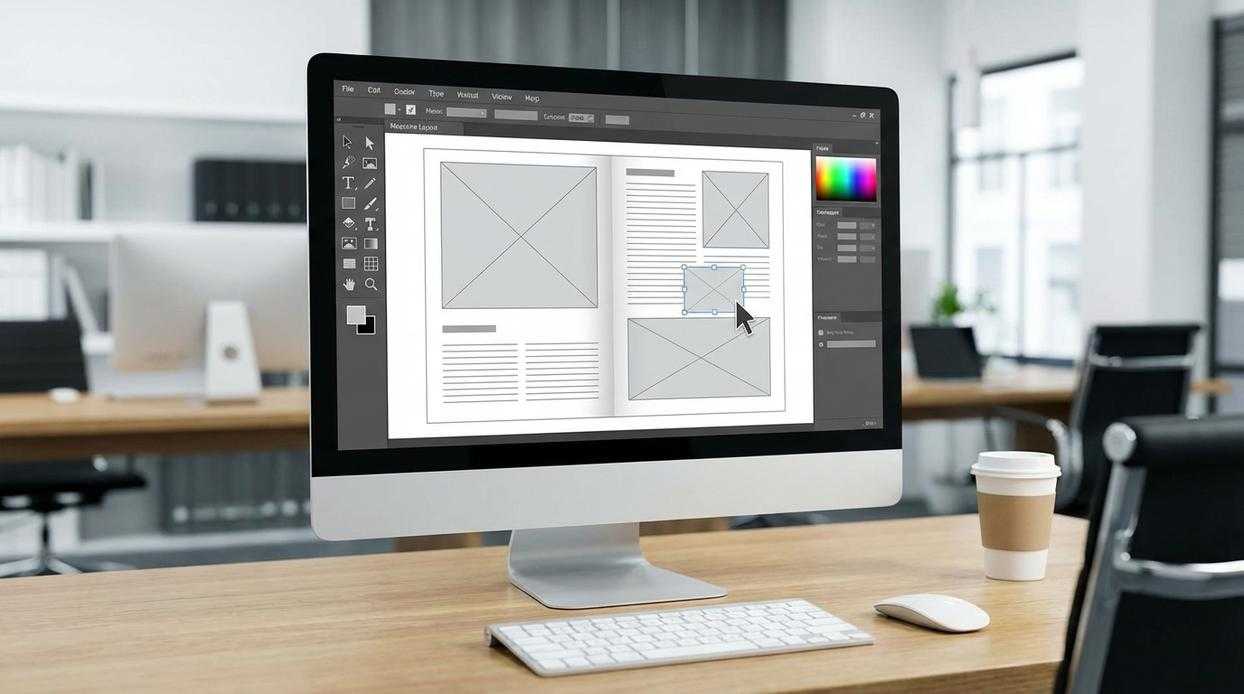
Before you start, make sure your system meets the basic requirements. It’s important to download from the official Scribus website to ensure legitimacy and security.
Installation on Windows
- Go to the official Scribus website.
- Download the .exe installer.
- Run the installer.
- Follow the setup wizard prompts.
- Click Finish to complete the installation.
Installation on macOS
- Visit the official Scribus website.
- Download the .dmg file.
- Open the .dmg file.
- Drag the Scribus application to your Applications folder.
- If you see a security warning, go to System Preferences > Security & Privacy and allow the app to open.
Installation on Linux
For Debian/Ubuntu, use the following command in your terminal:
sudo apt-get install scribus
If you prefer, you can also use an AppImage or Flatpak as alternatives.
First Launch
When you open Scribus for the first time, you’ll see the New Document dialog. This is where you can set up your document size, orientation, and other settings. It’s a good starting point to get familiar with the software.
For more detailed tutorials and tips, check out Shotscribus Software on our resource page.
Legitimate Usage: When to Choose Scribus for Your Projects
Ideal projects for Scribus include:
- Multi-page magazines
- Newsletters
- Brochures
- Business cards
- Book layouts
- Technical documentation
Scribus is for layout, not for writing long-form text. It’s better than Microsoft Word or Google Docs for design-heavy documents because it lets you control the exact placement of text and images. This precision is key for professional-looking publications.
Scribus and graphic editors like GIMP or Inkscape serve different purposes. Scribus assembles assets (images, text, vectors) into a final layout. It doesn’t create these elements from scratch. For that, you’d use GIMP for image editing or Inkscape for vector graphics.
Some might argue that Scribus has a steeper learning curve compared to simpler tools. That’s true, but the extra effort pays off in the quality and professionalism of your final product. Plus, once you get the hang of it, Scribus can handle complex projects with ease.
If you’re interested in how Shotscribus Software can help the environment, check out how can shotscribus software help the environment.
Empower Your Designs with Scribus
You now have a clear understanding of what Scribus is, its powerful features for professional layout, and how to install it on your system. You no longer need to be locked into expensive software subscriptions to produce high-quality, print-ready documents. Scribus provides the essential tools for professional desktop publishing, giving you control over your designs for free. Download Scribus from the official website today and start your first project, whether it’s a simple flyer or an ambitious magazine layout.

 Portiana Bowsery contributes to gfxpixelment with a strong focus on user experience, product usability, and the evolving landscape of smart technology. Her articles highlight real-world applications, tech adoption strategies, and forward-thinking perspectives that support readers in navigating today’s digital ecosystem.