
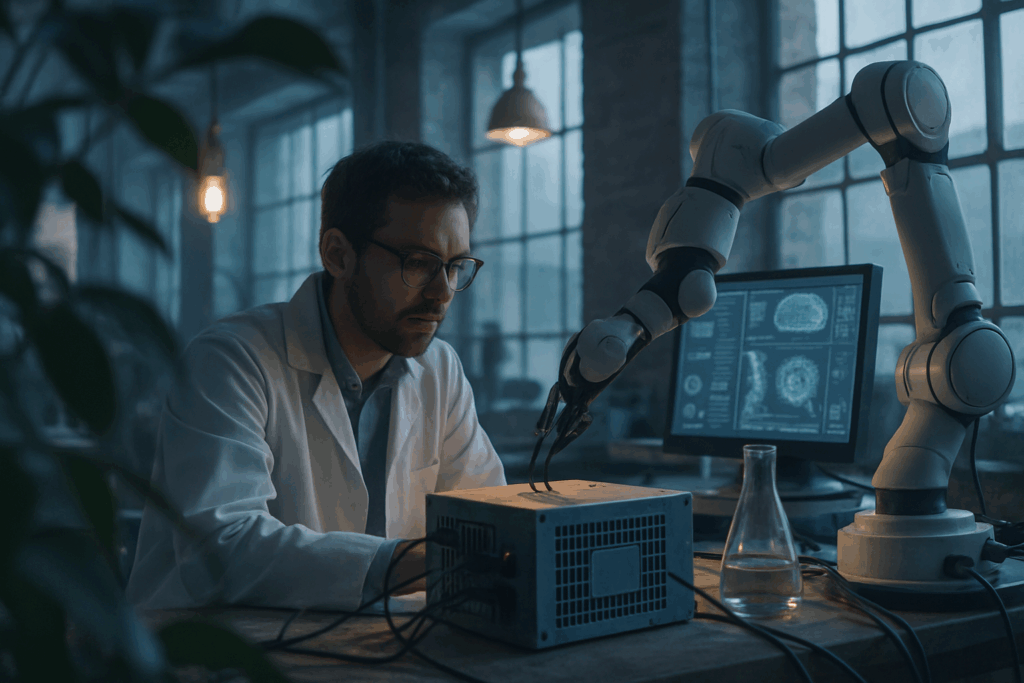
Fast Moving Integration of Biotech and Tech
Biotech used to operate like a sealed lab slow, methodical, and largely disconnected from the pace of modern tech. That’s over. AI, machine learning, and data analytics have broken the door open. Today, algorithms can screen billions of compounds in a matter of hours. Smart models can simulate clinical trials before a single patient signs up. And large scale datasets from wearables, gene sequencing, or patient records help researchers move from guesswork to precision.
This synergy has drastically shortened timelines. A breakthrough that used to take a decade can now move from concept to trial in under a year. In some cases, lab discoveries get fast tracked into field testing in just a few months. The impact ripples beyond laboratories it’s being felt in hospitals, wellness products, and personal health platforms.
The 2024 2025 window could be a turning point. With computing power climbing and collaboration across sectors tightening, we’re heading toward a future where biology and technology aren’t just intersecting they’re merging. The result? Smarter tools for human health, faster responses to global threats, and an irreversible shift in how we define progress.
Key Innovations Starting to Break Through
Biotech isn’t creeping forward anymore it’s lunging. Artificial intelligence is rewriting the pace of drug discovery. What once took years of trial and error can now be simulated and optimized in months. Algorithms sort through molecular compounds, predict efficacy, and surface viable candidates before a human team ever steps into the lab.
Meanwhile, wearables have evolved well past step counters. Today’s devices track everything from glucose to stress levels in real time. More importantly, they’re shifting toward action flagging irregularities and connecting users with care providers instantly. These aren’t just fitness gadgets now; they’re frontline monitoring tools.
Lab grown organs, backed by robotic precision and bio printers, are moving from experimental to functional. Progress is coming shape by shape bladders, skin, even pieces of liver. It’s not sci fi anymore. Hospitals are building regenerative medicine departments because they know what’s coming.
And brain computer interfaces? Yes, they’re still in early stages, but the trajectory is clear. BCIs are unlocking real time feedback on things like mood, attention, and sleep quality. Down the line, they may tune cognitive health like we tune a thermostat.
The bottom line: these aren’t distant ideas they’re taking root, trial by trial. The fusion of biotech with cutting edge tech isn’t about if. It’s about now.
More on this: Biotech Future Innovation
Sectors Most Likely to Change First

Biotech isn’t just reshaping theory it’s upending real world industries. Here’s where the first cracks in the old models are widening fast:
Healthcare: from reactive treatments to continuous monitoring and prevention
Hospitals and clinics are no longer the sole battlegrounds for health. Wearables now track blood oxygen, heart rhythms, even early illness signatures 24/7. Machine learning layers on top to detect patterns before symptoms show up. Instead of waiting for problems, the system is inching toward staying ahead of them. Prevention isn’t just a buzzword it’s a business model.
Agriculture: gene edited crops made more scalable with AI powered regulation
CRISPR and next gen gene tools are producing drought resistant wheat, pest proof corn, and nutrient dense vegetables. But it’s AI that makes the rollout viable. Data crunching models help tailor crop traits for specific regions, predict regulatory issues, and optimize growing cycles. Farms aren’t just planting they’re running simulations.
Environmental restoration: biotech meets smart sensors for ecosystem repair
Think bioengineered mushrooms cleaning up oil spills or microbes eating plastics. Now add real time sensors paired with machine learning, offering ecosystem diagnostics and positioning restoration efforts with surgical precision. The planet’s wounds don’t just need bandages they need feedback loops.
This is more than evolution. It’s active, systemic rewiring. More on this emerging frontier.
What Businesses and Investors Should Watch For
Regulations are usually slow 2024 is the exception. Faced with urgent medical needs and mounting environmental pressures, governments are beginning to fast track biotech solutions. We’re seeing regulatory bodies carve out accelerated pathways for innovations that would have once taken years to clear. Think anti microbial alternatives deployed in months, or gene therapies approved for emergency use within a single trial cycle. For startups, the message is clear: if your tech speaks directly to critical pain points, the red tape might finally start working in your favor.
At the same time, new players are rising. Startups aren’t just dabbling in biotech they’re building platforms that fuse synthetic biology with machine learning, or diagnostics tools tied to real time data streams. These aren’t siloed gadgets or single use solutions; they’re integrated systems, often backed by cross disciplinary teams with experience in both code and cell cultures.
Finally, the heavyweights are getting serious. Quiet collaborations are turning into full partnerships. You’ll see Big Tech firms rolling out clinical pilots with hospital networks or backing biotech research hubs outright. When Apple, Google, or Microsoft starts treating bio data like they do user data, the scale of possible shift becomes clear: billions of dollars, millions of lives, one converging frontier.
Final Outlook: Momentum in Motion
This isn’t about theory anymore. Innovation is already moving out of the lab, into real clinics, onto wrists, and into real world testing. Brain computer interfaces are in early trials. Bio printed tissues are being tested in live environments. AI driven drug discovery platforms aren’t just promising they’re producing candidates for trials at a pace pharma’s never seen.
The smart players? They’re not waiting. Startups are pivoting hard, combining biotech capabilities with machine learning models. Healthcare and tech giants are writing the playbook for the next decade of human tech integration. If you’re waiting for formal rollouts or perfect regulation, you’re already late.
And don’t sleep on the periphery. Many of these innovations begin quietly a research win in a university lab, a low key pilot in a regional clinic. But in this space, early signals can turn into breakthrough headlines fast. Stay dialed in to what’s just outside the mainstream. That’s often where the future starts.