
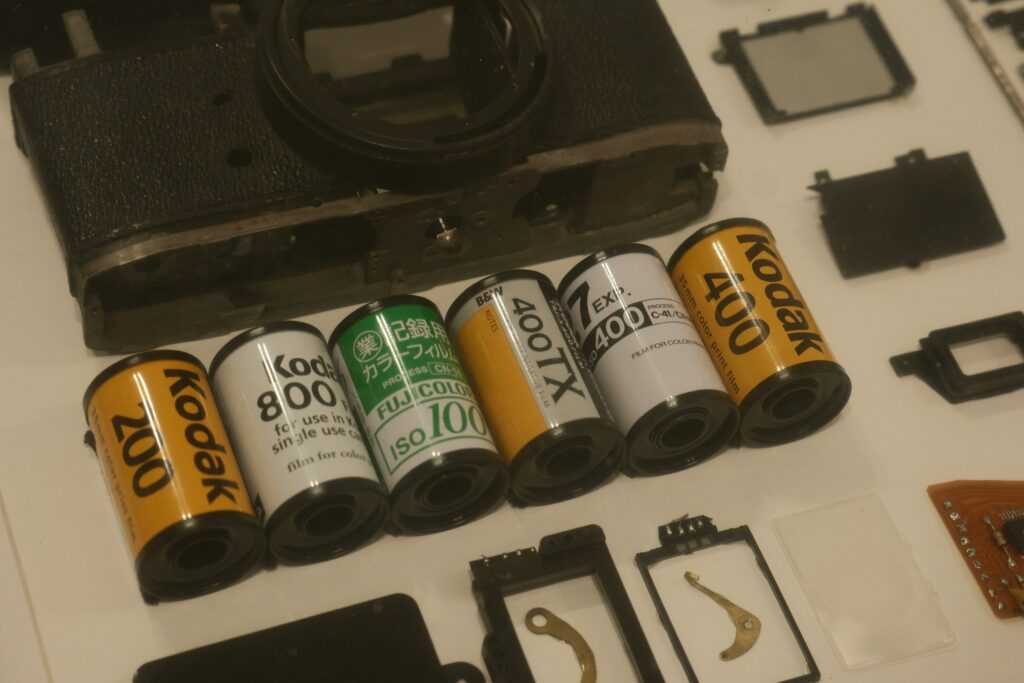
What’s Driving the Push for Better Batteries
We’re carrying more power hungry tech than ever phones, wearables, laptops, scooters, drones. And nobody wants to carry a charger around just to get through the afternoon. The demand is simple: batteries that last longer, charge faster, and don’t give out when you need them most. Consumers expect performance, and they want it without the pause button.
But it’s not just about convenience. Sustainability targets from governments and industry watchdogs are putting pressure on manufacturers to clean up battery production. That means less toxic waste, more recyclability, and a serious rethink of how batteries are designed from the ground up. It’s become a race to be both powerful and responsible.
Layer on top of that the EV explosion. Electric vehicles need serious battery capacity, and the demand isn’t slowing. At the same time, everything from phones to solar powered homes depends on portable energy. The grid is changing, mobility is changing, and our devices are changing which means the battery revolution isn’t a side project. It’s the backbone.
Key Advancements in Battery Chemistry
The chemistry under the hood is changing fast and for good reason. Solid state batteries are finally moving from lab experiments to production lines. They ditch the flammable liquid electrolyte used in traditional lithium ion setups, making them safer and less prone to overheating. On top of that, they can pack in more energy at a smaller size. For manufacturers obsessed with slim designs and longer runtime, this is gold.
Then there’s the shift from graphite to silicon anodes. Silicon holds around ten times more lithium than graphite, which translates to serious capacity gains. The catch? It tends to expand and crack. But with clever engineering like using nano structured silicon researchers are getting around those issues. It’s the kind of behind the scenes step change that could double the juice in our devices.
Alternative chemistries are also bending the rules. Lithium sulfur and sodium ion batteries are two big contenders aiming to solve cost and sustainability bottlenecks. Sulfur is cheap and abundant. Sodium’s everywhere. They’re not ready to dethrone lithium ion entirely, but they’re pushing the door open for broader innovation.
Lastly, recyclability is starting to shape the design conversation. Manufacturers are rethinking how batteries are made with end of life in mind. Easier disassembly, fewer toxic components, and closed loop production are real targets now not just marketing fluff. It’s no longer about just making better batteries. It’s about making them smarter from start to finish.
Real World Applications Making an Impact

Next gen battery innovations are no longer confined to research labs they’re already transforming how we use technology in everyday life. From transportation to personal electronics, the results are both powerful and practical.
Electric Vehicles: Double the Range, Fewer Stops
Battery breakthroughs are redefining what’s possible for electric vehicles (EVs). Modern EVs are now capable of:
Traveling up to twice the range compared to their earlier counterparts
Reaching full charge faster, reducing downtime for drivers
Using energy dense compositions for lightweight, compact battery packs
These improvements are key to increasing adoption rates and reducing range anxiety.
Consumer Tech: From Hours to Days
Smartphones, smartwatches, and other wearables rely heavily on efficient power management. Thanks to recent battery chemistry advancements:
Devices can last several days on a single charge
Smaller form factors allow for slimmer, lighter gadgets
Fast charging and intelligent power usage are becoming standard
Expect longer lasting convenience without constant top ups.
Smarter Grid Storage
As renewable energy grows, so does the need for reliable storage. New battery systems are enabling:
Load balancing and peak shaving for utility providers
Longer duration storage using lower cost, eco friendlier materials
Modular designs that support scalability based on demand
This shift is essential to stabilizing power across homes, cities, and industries.
Medical Devices: Powering Health with Precision
Battery innovation is extending the reliability of life changing medical technologies. Recent progress enables:
Implantables and wearables that require less frequent charging or replacement
Ultra compact batteries for minimally invasive designs
Better safety and energy control for critical use applications
These advances mean more autonomy and peace of mind for both patients and providers.
Explore additional applications and developments in our battery tech insights.
Challenges Still on the Table
Battery tech may be evolving fast, but the supply chain isn’t keeping pace. Core materials like lithium, cobalt, and nickel are in high demand and short supply. Mining output is stretched thin, and not every region wants to be the next extraction hub. The result? Soaring prices and longer lead times that ripple through production lines.
Scaling up isn’t just about building more batteries it’s about doing it responsibly. Sustainable mining practices are still spotty, and without cleaner methods, ramping up volume risks doing more harm than good. Regulation is tightening, and rightly so. But that balance between growth and responsibility remains tough to strike.
Then there’s the price tag. Whether it’s the latest EV or industrial scale energy storage, better batteries come with premium costs. That’s a barrier not just for average consumers but also for businesses trying to go green. Companies are betting on economies of scale to bring costs down, but we’re not there yet. Innovation is only as impactful as it is accessible, and right now, affordability is still lagging behind ambition.
The Path Ahead
Innovation in battery tech isn’t just happening it’s accelerating. Startups and university labs are deep in the race, experimenting with new materials and architectures that could reset what we expect from power storage. From solid state prototypes in Berlin to sodium ion breakthroughs in Silicon Valley, the search for better, faster, greener energy is global and nonstop.
Governments are throwing fuel on the fire offering grants, tax breaks, and regulatory support to companies investing in cleaner chemistries and ethical sourcing. These policy incentives aren’t just encouraging R&D they’re cutting red tape and speeding up time to market. For a field that’s long struggled with high cost scale ups, this is a shift worth watching.
At the same time, unlikely partnerships are forming. Battery startups are teaming up with automotive giants. Tech firms are leaning into energy. Everyone has skin in the game because no industry moves forward without better batteries. These partnerships are pushing solutions from labs to product lines quicker than ever.
Read more on this in our battery tech insights.
Why It Matters Now
This isn’t just about longer phone battery life it’s about what powers the future. Battery innovation sits at the core of global climate goals. Cleaner energy only works if we can store it smartly, and right now, lithium ion tech is being pushed to its limits. Whether it’s stabilizing solar grids or decarbonizing transportation, energy storage is the make or break factor.
Then there’s national security. Countries leaning on unstable fuel imports are betting big on battery tech to cut the cord. Energy independence will depend on how well we can store power when the sun isn’t shining or the wind isn’t blowing.
And for consumers? Guilt free tech is no longer optional. People want their devices to last longer, charge quicker, and create less waste. Premium performance, minus the environmental toll. The brands that deliver on this balance power meets responsibility will lead the next decade.

 Ask Zoranna Havendell how they got into emerging technology insights and you'll probably get a longer answer than you expected. The short version: Zoranna started doing it, got genuinely hooked, and at some point realized they had accumulated enough hard-won knowledge that it would be a waste not to share it. So they started writing.
What makes Zoranna worth reading is that they skips the obvious stuff. Nobody needs another surface-level take on Emerging Technology Insights, Graphic Design Tools and Techniques, Software Development Trends. What readers actually want is the nuance — the part that only becomes clear after you've made a few mistakes and figured out why. That's the territory Zoranna operates in. The writing is direct, occasionally blunt, and always built around what's actually true rather than what sounds good in an article. They has little patience for filler, which means they's pieces tend to be denser with real information than the average post on the same subject.
Zoranna doesn't write to impress anyone. They writes because they has things to say that they genuinely thinks people should hear. That motivation — basic as it sounds — produces something noticeably different from content written for clicks or word count. Readers pick up on it. The comments on Zoranna's work tend to reflect that.
Ask Zoranna Havendell how they got into emerging technology insights and you'll probably get a longer answer than you expected. The short version: Zoranna started doing it, got genuinely hooked, and at some point realized they had accumulated enough hard-won knowledge that it would be a waste not to share it. So they started writing.
What makes Zoranna worth reading is that they skips the obvious stuff. Nobody needs another surface-level take on Emerging Technology Insights, Graphic Design Tools and Techniques, Software Development Trends. What readers actually want is the nuance — the part that only becomes clear after you've made a few mistakes and figured out why. That's the territory Zoranna operates in. The writing is direct, occasionally blunt, and always built around what's actually true rather than what sounds good in an article. They has little patience for filler, which means they's pieces tend to be denser with real information than the average post on the same subject.
Zoranna doesn't write to impress anyone. They writes because they has things to say that they genuinely thinks people should hear. That motivation — basic as it sounds — produces something noticeably different from content written for clicks or word count. Readers pick up on it. The comments on Zoranna's work tend to reflect that.