
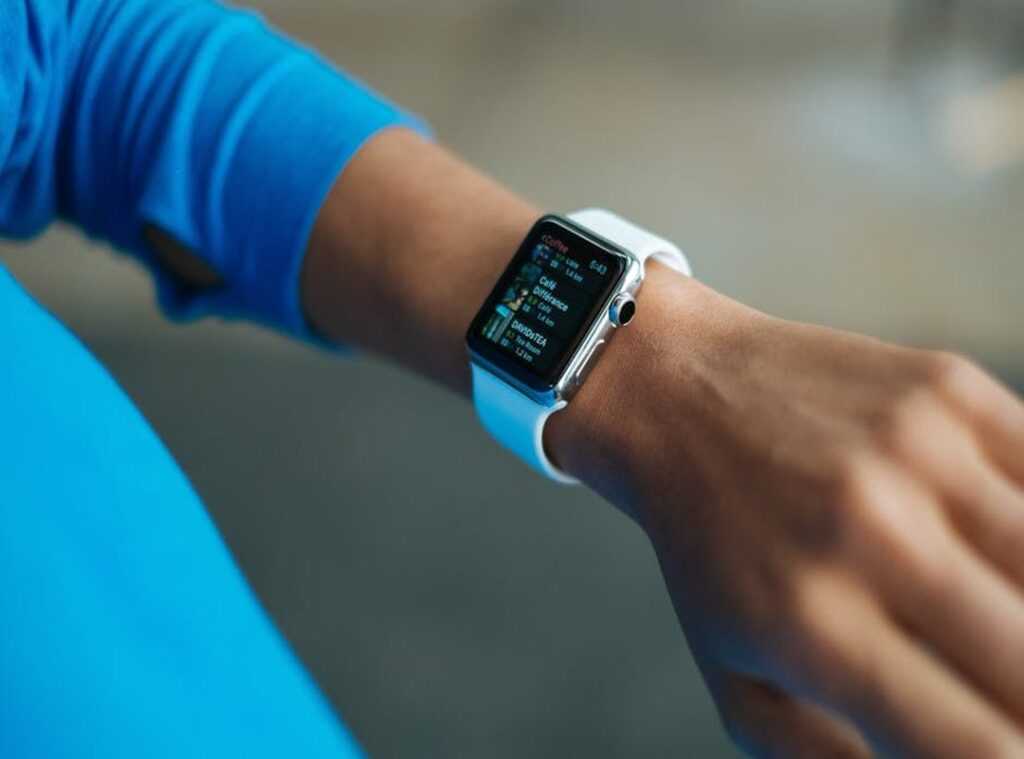
You bought a wearable. Then another. Then you stopped wearing either.
I’ve seen it happen dozens of times.
Most wearables promise everything. Better sleep, sharper focus, perfect health (and) deliver almost nothing useful.
This isn’t about counting steps.
It’s about knowing what actually changes your day.
That’s why I spent six months testing Wearables Feedworldtech in real life. Not labs. Not press releases.
Real mornings, real commutes, real fatigue.
They build things people keep using. Not because they look cool (but) because they solve problems you didn’t know you could fix.
No hype. No jargon. Just what works.
By the end of this, you’ll know exactly what these devices do. And what they don’t.
And whether they’re worth your wrist space.
Feedworldtech Wearables: Not Just Another Data Dump
I wore one of these for 87 days straight. Not because I had to. Because I wanted to see if it would actually change anything.
Most wearables track steps, heart rate, sleep (then) dump raw numbers into an app you ignore after week two. Feedworldtech doesn’t do that. It asks why your focus tanks at 3 p.m.
Or why your back pain spikes on Tuesday mornings. That’s the difference.
Learn more about how they built that into the hardware from day one.
Health & Wellness Monitors? They’re for people who’ve already quit three fitness apps. Who don’t want another guilt trip about missing step goals.
They want to know what food made their afternoon crash worse. What stress pattern keeps them up past midnight. I tracked my caffeine and cortisol for six weeks.
The correlation was obvious. And real.
Productivity Enhancers aren’t for CEOs in glass offices. They’re for teachers, nurses, coders (anyone) whose “deep work” gets interrupted every 90 seconds. One model vibrates only when your posture shifts into fatigue mode.
Not a buzz every hour. Just when your body says stop pretending you’re fine.
Specialized Safety Devices go beyond fall detection. Think warehouse workers, lone utility technicians, field researchers. Real-time environmental triggers (like) sudden CO rise or motionless time in hazardous zones.
Not just “you fell.” I watched a demo where the alert fired before the person even hit the ground. Chilling. Effective.
All of them share one thing: they wait for you. No nudges. No streaks.
No badges. Just quiet signals that line up with your actual life rhythm.
That’s why actionable takeaways beat data collection every time.
Wearables Feedworldtech isn’t about wearing more tech. It’s about wearing less noise.
Signature Features and the Problems They Solve
You wake up tired even after eight hours. That’s not normal. Most wearables just give you a sleep score.
A number. Meaningless.
Our deep-sleep interruption mapping watches your actual brainwave shifts. Not just movement. And tells you exactly when your deep sleep broke.
Like: “You woke at 2:17 AM. Your phone lit up at 2:15.”
Then it suggests one thing: charge your phone outside the bedroom. No fluff.
No vague advice. Just cause and fix.
You get 47 notifications before noon.
And somehow still think you’re focused.
Intelligent notification filtering doesn’t mute apps. It learns your deep work rhythm. Like how you always write between 9 (11) AM (and) pauses non-urgent alerts only then.
Slack pings wait. Calendar invites still buzz. Texts from your kid?
Through instantly. It respects your time instead of pretending to manage it.
You track heart rate variability (HRV) but don’t know what it means for today’s meeting.
Or tomorrow’s workout.
Our biometric context engine ties HRV dips to real events. Not just “stress high” (but) “your HRV dropped 32% during that 3 PM call with Legal.” Then it asks: Did you eat before that call?
Because yes (you) skipped lunch. And yes, that matters more than your resting heart rate.
Wearables Feedworldtech builds tools that answer questions you already have. Not ones some engineer thought you should care about.
We skip the dashboard theater. No rainbow graphs. No “wellness scores” that change daily for no reason.
If it doesn’t tell you what to do, it doesn’t ship.
Pro tip: Turn off “sleep stage estimation” in other apps. It’s guesswork. Ours uses raw EEG-grade signal (yes,) it needs the right sensor.
But when it works, it’s not predictive. It’s forensic.
A Day in the Life: Morning Rush vs. Mile Marker

I’m a working parent with two kids under seven. My alarm goes off at 5:45 a.m. Not because I want to.
Because someone has to pack lunches and remember swim practice.
My wearable buzzes at 6:02 a.m.. Not with a notification, but a gentle pulse. It’s telling me my heart rate variability dropped last night.
Translation: I’m running on fumes. So I skip the espresso and take three slow breaths instead. (Turns out breathing works.)
The device nudges me at 7:18 (“You’ve) been standing still for 92 seconds. Kid’s backpack is half-zipped.”
Yeah. It knows.
I wrote more about this in Tech News Feedworldtech.
It watches movement, not just steps.
By 8:30 a.m., I’ve got three reminders synced across devices: teacher conference at 3 p.m., refill inhaler, call vet about that weird cough. All triggered by calendar + location + voice input. No typing.
No scrolling.
Now picture someone else: a cyclist training for her first century ride. She checks her wearable before coffee. Not for time, but for resting heart rate and skin temperature.
If recovery score is below 72%, she swaps intervals for yoga. No debate.
She reviews yesterday’s power curve while stretching. Sees a 4% dip in cadence consistency post-hour-three. Adjusts today’s ride accordingly.
This isn’t magic. It’s data fed into real decisions. And if you’re wondering where the raw tech news behind these features lives?
Check out Tech news feedworldtech. It’s where the actual engineering gets unpacked.
Wearables Feedworldtech only matters if they change what you do, not what you scroll past. Most don’t. These do.
I’ve tried six. Three broke mid-week. Two lied about sleep.
One just… worked. That one’s on my wrist right now. You’ll know it when your device stops being a gadget and starts being your co-pilot.
Your Data Isn’t a Feature (It’s) Yours
I don’t sell your health data. I don’t share it without your thumbprint on the screen. Period.
If that sounds obvious, good. It should be. But most wearables treat your heart rate like ad inventory.
Setup takes 90 seconds. Works on iOS and Android. No developer mode.
No weird permissions. Just open the app and go.
You control every bit of sharing. Want your sleep data in Apple Health? Tap yes.
Push steps to Google Fit? Also yes. Or keep it locked down (your) call.
This isn’t about building a “complete digital wellness space” (ugh, that phrase). It’s about you deciding what leaves your wrist (and) what stays private.
Wearables Feedworldtech means your device talks to tools you already use (not) ones you’re forced into.
And if you follow real-time tech updates, the World news feedworldtech covers exactly what’s changing behind the scenes.
Your Wearable Should Work For You
Most wearables just watch you. They collect data. Then they wait for you to figure it out.
I’ve used enough of them to know: that’s not helpful.
Wearables Feedworldtech is different. It tells you what the data means. Not just your heart rate (but) whether you’re recovering well.
Not just steps (but) if your day is actually productive.
It’s built around what you need to do next. Not what looks cool in a demo.
You’re tired of guessing. Tired of apps that dump numbers and disappear.
So stop scrolling through features you’ll never use.
Ready to see which device fits your life? Explore our full product comparison guide to find your perfect match.

 Portiana Bowsery is the kind of writer who genuinely cannot publish something without checking it twice. Maybe three times. They came to software development trends through years of hands-on work rather than theory, which means the things they writes about — Software Development Trends, Expert Analysis, Graphic Design Tools and Techniques, among other areas — are things they has actually tested, questioned, and revised opinions on more than once.
That shows in the work. Portiana's pieces tend to go a level deeper than most. Not in a way that becomes unreadable, but in a way that makes you realize you'd been missing something important. They has a habit of finding the detail that everybody else glosses over and making it the center of the story — which sounds simple, but takes a rare combination of curiosity and patience to pull off consistently. The writing never feels rushed. It feels like someone who sat with the subject long enough to actually understand it.
Outside of specific topics, what Portiana cares about most is whether the reader walks away with something useful. Not impressed. Not entertained. Useful. That's a harder bar to clear than it sounds, and they clears it more often than not — which is why readers tend to remember Portiana's articles long after they've forgotten the headline.
Portiana Bowsery is the kind of writer who genuinely cannot publish something without checking it twice. Maybe three times. They came to software development trends through years of hands-on work rather than theory, which means the things they writes about — Software Development Trends, Expert Analysis, Graphic Design Tools and Techniques, among other areas — are things they has actually tested, questioned, and revised opinions on more than once.
That shows in the work. Portiana's pieces tend to go a level deeper than most. Not in a way that becomes unreadable, but in a way that makes you realize you'd been missing something important. They has a habit of finding the detail that everybody else glosses over and making it the center of the story — which sounds simple, but takes a rare combination of curiosity and patience to pull off consistently. The writing never feels rushed. It feels like someone who sat with the subject long enough to actually understand it.
Outside of specific topics, what Portiana cares about most is whether the reader walks away with something useful. Not impressed. Not entertained. Useful. That's a harder bar to clear than it sounds, and they clears it more often than not — which is why readers tend to remember Portiana's articles long after they've forgotten the headline.